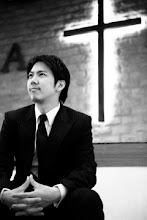
Hi! 歡迎來到William的薩克屋~

大家好, 我是William, 在這裡有我對於音樂, 生活, 信仰, 以及個人的一些感想與記錄, 還有我的相簿以及我老婆Kate的相簿, 請大家隨意走走吧~ 願神祝福你們!


2010年11月9日 星期二

威廉的北德大第二場個人演奏會---曲目與介紹

  
威廉在北德大(UNT)的第二場音樂會來囉~ 

雖然上學期才開過音樂會, 不過威廉在這學期開始時, 決定再接再厲, 再開第二場的個人演奏會~
不過開學之後慢慢發現, 這學期的課業量本身就已經很重了, 再加上剛剛成為音樂系上的SAX助教, 每個禮拜除了上課之外, 還多了十多個小時的教課時間! 此外, 威廉跟其他幾位助教又一起組成了一個薩克斯風四重奏(Saxophone Quartet), 每週都至少需要6~9個小時的練習, 所以常常都覺得"時間實在是不夠用阿!!!" (可以好好練樂器的時間好少阿.... > <)

所以, 在這場音樂會的準備上對威廉來說還真是一個大挑戰呢~

以下就是這次威廉的音樂會曲目以及協助演出的人員

Program 

Caravan for two Alto Saxophone (2007)…………...........……Tanya Anisimova (1966)
Kyle Hutchins, alto saxophone

Sonata in E-flat Op.120, no.2 for Alto Saxophone and Piano (1894)…. Johannes Brahms(1833-1897)                                                         arr. William Chien                      
I-Hsin (Kate) Kang, piano
-------------------------------------------------------------------------------------------------------
Concerto for Saxophone Quartet (1995) …………………………… Philip Glass (1937)
Movement I and IV

They might be God (2009) …………………………………… John Leszczynski (1987)

Xenix Saxophone Quartet
Soprano Saxophone: Andrew Martz           Alto Saxophone: William Chien
Tenor Saxophone: Kyle Hutchins Baritone Saxophone: Jason Pockrus


這次音樂會的曲目並不多, 有一首給兩把中音薩克斯風的二重奏, 一首與鋼琴的奏鳴曲, 還有兩首薩克斯風四重奏的室內樂, 總共四首樂曲而已, 不過也是有一個小時以上的長度, 所以也是需要許多的心力來準備~
在音樂的風格上, 只有一首樂曲是選自19世紀浪漫派時期的音樂, 其他三首則都是由現代作曲家所創作的樂曲~浪漫派的樂曲是改編自布拉姆斯的第二號單簧管奏鳴曲, 是威廉自己將它改編成中音薩克斯風與鋼琴的arrangement喔~ 不過由於豎笛的音域實在是很廣, 因此用alto sax演奏起來還真是不容易呢~ 
二重奏的部份其實也是一首改編曲, 作曲家Tanya Anisimova本身是一位國際知名的大提琴家, 因此這首本來是寫給兩把cello的曲子, 後來由薩克斯風演奏家Carrie Koffman改編成由兩把中音薩克斯風來演奏的樂曲; 威廉在今年初去參加北美薩克斯風年會(North American Saxophone Alliance Conference), 聽到這首由Carrie Koffman與知名華人薩克斯風演奏家林建寬先生所共同首演的同時, 就深深被這首充滿張力與節奏感的樂曲所吸引, 當下就決定一定要找個機會來嘗試演奏它, 也希望在不久的將來, 能夠將這首好聽的曲子也帶回台灣與大家分享囉~

而室內樂的部份, 既然這個學期使用了許多時間在薩克斯風四重奏的練習上面, 威廉理所當然地就從所有排練的樂曲中挑選了兩首來放入演奏會當中, 一首是當代著名的極限主義作曲家菲利浦. 葛拉斯為了薩克斯風四重奏所作的協奏曲(Concert), 另一首則是去年(2009)才創作出來的現代作品, 是由一位非常年輕的作曲家John Leszczynski所作的, 威廉也是在今年的NASA年會裡才聽到的, 當時演奏的是非常優秀的年輕美國薩克斯風四重奏zzyzx, 這首樂曲合奏的困難度很高, 不過這也代表了許多演奏與自我挑戰的樂趣優~

最後, 與大家分享兩首此次音樂會中的曲目, 希望大家會喜歡這樣的曲目, 當然, 也希望下個禮拜威廉的音樂會, 也能盡力演奏好, 努力呈現美好的音樂給大家囉~  

Concerto for Saxophone Quartet 1st movement(薩克斯風四重奏與管弦樂團的版本) / Philip Glass
演奏團體: H2 Saxophone Quartet with the MSU Symphony Orchestra.

Sonata in E-flat Op.120, no.2 1st movement(單簧管與鋼琴的版本)…. Johannes Brahms         
演奏家: E. Bashkirova, piano, Wenzel Fuchs, clarinet
 

影片出處1: http://www.youtube.com/watch?v=Ux-IflHUApQ&playnext=1&list=PL7A8571DF77979542&index=44 
影片出處2: http://www.youtube.com/watch?v=aaeXH8ts6t4

2010年9月23日 星期四

威廉的教會---火把行道會以及2010年特會---愛裡沒有懼怕的影音篇

雖然參加火把行道會沒有很長的時間, 就因出國深造的緣故而離開台灣, 無法再繼續參加火把的聚會~
但是William跟Kate(也就是錢太太以昕 ^^)都深深愛上這個充滿活力, 創意, 行動力, 聖靈大大充滿且愛主的教會~

火把行道會是在2006年從新店行道會所分出來的分堂, 人數從一開始不到30人的迷你教會, 增長到現在超過600人的中型教會, 在短短4年間成長了超過20倍~ 而聚會的地點也從本來位於成功國宅的辦公室, 到文化大學教育推廣部的小型音樂廳, 再到目前台北車站6樓的演藝廳~ 真的是非常快速成長的一個教會喔~

火把行道會最大的特色, 就是這是個由年輕人所組成的教會, 除了高中以下的學生之外, 將近有7~8成都是20~40歲左右的年輕人, 而教會中有著非常優異的音樂團隊 (已經出了3,4張非常棒的專輯了,包括下方的特會EP), 前所未見的超強影音團隊 (看了下面的影片就知道了~), 加上人氣指數超高, 講道大有能力的年輕牧師, 使得這個教會非常吸引現在的年輕人~ (William雖然不年輕了, 可是也是深深地被這個教會給吸引住了....^^)

今年暑假, William跟Kate兩人回到台灣, 第一次踏入火把的主日時, 聖靈藉著火把的音樂, 牧師的話語深深打動了我的心, 眼淚在整個主日聚會中都無法控制的不停流下~ 而參加超過300人, 也就是將近教會一半人數的"禱告會"時, 也讓William感受到靈裡久違的火熱感受~ 此外, 每天清晨6點的晨更, 許多年輕的弟兄姊妹從各地方趕來參加, 結束候便要直接準備去上班, 更是可以看出這真的是一個深深愛主,願意擺上的教會~

好了, 話不多說, 信仰是需要真實感受的, William鼓勵身旁的每一位朋友, 開始尋找你生命中的這位救主吧, 聖經中說, 只要你 "尋找, 就必尋見", 願主耶穌的愛, 大大充滿你~

在愛裡,沒有懼怕~ 在信神的人裡, All Things Are Possible!!!

這裡有今年火把特會的一些音樂跟影片, 希望你們看了會喜歡~


2010年8月8日 星期日

第八場台北薩克斯風講習會

Hello~大家好, 我是William錢威綸, 好久不見了~ 自從去年到美國德州進修薩克斯風博士後, 就沒有機會再舉辦薩克斯風的講習會了, 因此雖然今年暑假回台灣的時間十分短暫, 還是想要跟台灣的薩克斯風同好們見個面, 與大家分享更多的薩克斯風學習經驗~

William 本身雖然去年出了一本薩克斯風的基礎教材書
(薩克斯風入門, 世界文物出版社), 卻一直沒有時間跟大家好好分享一些書中實用的內容, 包括了吹奏薩克斯風最重要的腹式呼吸法, 嘴型與基礎練習方式, 因此也希望藉著這次的講習會, 能跟更多想要打好薩克斯風演奏基礎的朋友們一同分享一些William 自身的經驗~

而這次講習會的重頭戲呢,則是William邀請了去年才剛從比利時皇家布魯塞爾畢業的蘇聖育老師, 來跟大家分享爵士樂即興的練習方式, 聖育老師可以說是台灣爵士薩克斯風手中最為年輕, 卻也是最優秀的一位演奏家, 稱他為爵士薩克斯風的天才真的是一點也不為過~ 相信大家一定能從他的身上, "偷到"許多爵士樂演奏與即興的練習妙方囉~

此外, William也邀請了其他幾位音樂的高手前來,為大家現場示範爵士樂的互動與即興, 大家千萬不要錯過這次精彩的講習會喔~
除了深入淺出的講習內容,以及現場的老師示範之外, William也一如往常地, 為大家準備了抽獎的活動, 讓參加的朋友們還有機會得到薩克斯風相關的書籍, 音樂會門票與其他好禮, 讓大家能有個最豐富的收穫囉~

因為這次William回台灣的時間較為短暫, 因此宣傳的時間也不是很充足, 請大家多多代為宣傳, 或是邀請更多的同好來參加, 謝謝大家, 希望能在講習會上見到你們~ ^ ^

講習會的內容請參考下一篇的文章資料囉~

2010年8月6日 星期五

第八場台北薩克斯風講習會活動內容與報名方式~


台北薩克斯風講習會---第八場
薩克斯風入門 v.s 爵士風格與即興練習

日期時間: 2010/ 8/15 (日)下午2:00~4:30
地點: 威綸音樂工作室 (台北市大安區仁愛路三段143巷19號B1, 捷運忠孝復興站2號出口步行5分鐘)
 
講師: 錢威綸 --- 美國波士頓音樂院碩士, 北德州大學薩克斯風博士(進修中)
          蘇聖育 --- 比利時皇家布魯塞爾音樂院畢業, 台大薩克斯風社指導老師

特別邀請: 葉政廷(Piano), 呂冠燁(Bass), 林冠良(Drum)

費用: 講習會當天現場繳交--- 社會人士200元, 高中以上學生100元, 高中以下學生免費參加


報名方式:


1. 姓名
2. 吹奏的薩克斯風類型(Alto or Tenor)
3. 學習與演奏的時間
4. 想要知道的薩克斯風相關問題

收到William的回信之後就代表報名成功囉~


2010年7月18日 星期日

Jazz Big Band Conducting Class

這個暑假, 選修了一堂"Jazz Big Band Conducting"的課~ 這是由北德大最有名的One O'Clock Lab Band的指揮Steve Wiest所教授的一門課, Steve Wiest在去年帶領One O'Clock所錄製的2009 Lab Band專輯得到了兩項葛來美獎的提名--- Best Large Jazz Ensemble Album以及Best Instrumental Composition(Wiest教授自己的作品), 使得UNT提高不少知名度, 而One O'Clock Lab Band也是Grammy史上極少數能以大學樂團的身分被提名, 與全美各地其它職業的big band來共享這份殊榮~

在擁有9個Big Band的北德大裡, Wiest教授所領軍最好的"一點鐘爵士樂團", 是所有學生樂手們都想要考進去的樂團....因此,能跟這樣的教授上課, 自然有點緊張, 畢竟威廉我對於Big Band指揮方面是一點經驗也沒有的.....在選課之前還很擔心會不會跟不上其他JAZZ主修的碩士生們....

不過, 沒想到, Wiest教授非常的風趣幽默, 每一堂課都深入淺出的概括了整個美國Jazz Big Band的歷史, 聲音, 發展概念與實用的層面, 不但常常用一些生動的實例, 例如某某大師曾經說過的話或是某張重要專輯誕生的背後故事...更是活用許多的音樂, 從傳統的Ellintgon跟 Basie, 隨後的Thad Jones, Buddy Rich, Maynard Ferguson, 再到現代的Bob Brookmeyer, Bob Mintzer以及Maria Schnider, 讓大家真是見識到Big Band的不同聲響與發展~

Wiest也給大家許多很棒的建議與腦力激盪, 關於畢業後的發展, 如何去應徵學校的樂團director, 如何舉辦學校的Jazz festival, 如何組織一個好的big band, 如何去募款或是錄製專輯等等, 都是非常實用的經驗之談~

此外, 這堂課當然也有最重要的實戰部份, 也就是指揮與樂團採排的部份, 由於暑假UNT也有Summer Lab Band, 因此我們每天下課後, 下午都要參加旁聽樂團的彩排, 學習如何來rehearsal with big band~

而最令人感到緊張的, 莫過於實際上場指揮的時候了, 每個人都要指揮三首曲子, 不同的風格(Style), 速度(Tempo), 拍號(time) 或是mix-meter(混合拍號).....每首曲子都要聽的非常熟悉, 而且要將整份總譜都研究清楚, 不能漏掉任何的細節, 有些時候樂曲甚至沒有總譜, 那就得使用Lead Alto Saxophone的譜配合ㄧ其他所有樂團的分譜(parts) 來做分析~

而即使樂曲已經熟悉, 也將和聲與曲式做了一些研究分析之後, 在面對樂團的彩排時, 還是會有許多的狀況產生 (或是"慘"生)....像是要如何讓Big Band中的每一位樂手都了解到自己的部份, 如何勾勒出整首曲子的Road Map, 如何調整Rhythm Section的聲音, 或是如何安排Solo與樂團Back ground之間的互動.....每次的彩排都有30分鐘的時間, 而有的樂曲非常地困難, 無論是對樂手或是對指揮來說都是一種挑戰~


到了期末的時候, Wiest教授要求我們從一長串Big Band指揮或是director必須讀過的書單中挑三本書來寫reviews,而且還要每個人單獨上台presentation, 題目自訂, 範圍就是自己的樂器跟Big Band的關係~

因此, 威廉就想到用這個部落格來放一些想要講的內容, 上課時就直接開網頁讓大家看, 再配合presentation就行囉~ (這其實也是跟Wiest教授學的, 他會放許多音樂, 影片以及文字圖片到One O'Clock的網頁上, 然後每天更新明天要講的上課內容~)

總之, 這堂課真的是收穫良多, 尤其是讓威廉開始喜歡上Big Band的聲音, 也對於吹奏big band 音樂有新的想法與看法, 有機會再與大家一同分享更多的資訊與有趣的big band music囉~ 

2010年7月7日 星期三

Big Band Tenor Saxophonist


(VJO-The Vanguard Jazz Orchestra/ Saxophone Section)
Tradition


Gene Ammons (Woody Herman)
Don Byas (Count Basie, Lionel Hampton)
Al Cohn (Woody Herman)
Eddie Davis (Kenny Clarke-Francy Boland)
Frank Foster (Count Basie)
Jimmy Forrest (Count Basie)
Stan Getz (Woody Herman, Stan Kenton)
Paul Gonsalves (Duke Ellington)
Dexter Gordon (Lionel Hampton, Billy Eckstine)
Johnny Griffin (Kenny Clarke-Francy Boland)
Coleman Hawkins (Fletcher Henderson)
Illinois Jacquet (Lionel Hampton, Count Basie)
Zoot Sims (Woody Herman, Stan Kenton)
Al Sears (Duke Ellington)
Ben Webster (Duke Ellington)
Frank Wess (Count Basie)
Lester Young (Count Basie)


Mordern

Wayne Escoffery (Mingus Big Band)
Craig Handy (Mingus Big Band)
Ralph Lalama (Vanguard Jazz Orchestra)
Rick Margitza (Maria Schneider Jazz Orchestra)
Bob Mintzer (Bob Mintzer Big Band, GRP)
Ted Nash (Jazz at Lincoln Center Orchestra)
Rich Perry (Vanguard Jazz Orchestra)
Chris Potter (Dave Holland Big Band)
Ernie Watts (Buddy Rich, GRP)


2010年7月6日 星期二

Two Most Important Tenor Saxophonist In the Early Jazz Era

Coleman Randolph Hawkins (November 21, 1904-May 19, 1969)


Lester Willis Young (August 27, 1909 – March 15, 1959)

In 1943, Young returned to the Basie.  Recordings made during this and subsequent periods suggest Young was beginning to make much greater use of a plastic reed, which tended to give his playing a somewhat heavier, breathier tone While he certainly never abandoned the wooden reed, he did utilize the plastic reed a significant share of the time from 1943 until the end of his life.
 5. Another cause for the thickening of his tone around this time was a change in saxophone mouthpiece from a metal Otto Link to an ebonite Brilhart
Recording Comparison: 1. Lester Young / Taxi War Dance (1939)
2. Lester Young / I Want To Be Happy (1946)
 

The Saxophone Set Up And Mouthpiece Materials


Saxophone Set Up 


The Saxophone Mouthpiece Glossary


Baffle
The portion of the mouthpiece directly behind the tip rail. The shape of the baffle determines the brightness or darkness of the mouthpiece, as well as its "buzz".
Body
The Middle portion of the mouthpiece that the ligature fits over; the widest & largest part of the mouthpiece.
Beak
The front-outer portion of the mouthpiece that one's mouth fits over while playing. It extends from the tip of the mouthpiece to the Body of the mouthpiece.
Bore
The rear-inner portion of the mouthpiece that fits on the neck of the saxophone. It usually extends a bit further into the mouthpiece than the neck does.
Break Point
The point from which the reed first separates from the flat surface of the table. The start of the facing curve.
Chamber
The open area in the middle of the mouthpiece between the floor and the bore. A large chamber produces a fat & spread sound, while a small chamber produces a more focused sound. 
Large Chamber (a > b)
Large chamber mouthpieces play relatively soft with a large spread, and offer ease of control over the low register of the instrument. Large chamber mouthpieces are most popular among jazz players.
 Medium Chamber (a = b)
The clear and centered sound of a medium chamber mouthpiece is popular among classical saxophone players.

Small Chamber (a < b)
The airstream moves very quickly through a small chamber mouthpiece. This leads to a very focused and bright sound, popular among rock, pop, and R&B players  

Chamfer
The beveled edge on the side rails that surrounds the entire window.
Facing Curve
The continuous curve starting at the break point and ending at the tip rail. The facing curve can be seen on a mouthpiece by looking at it from the side. This curve varies greatly among mouthpiece brands and plays a crucial role in the response the mouthpiece gets. It is very important that the facing curve on both of the mouthpieces 'side rails' be parallel or even (unless made intentionally uneven for a specific purpose. I know some Refacers experimenting with this). It is also important that the curve be continuous and gradual, with no flat spots or bumps.
Facing Curve Length
The distance from the break point to the tip of the mouthpiece. - OR - The distance from where the thinnest measuring feeler gauge hits, to the tip of the mouthpiece. This distance is always measured in millimeters. The response of the lower notes on a horn is dependent upon this length.
Floor
The inner portion of the mouthpiece behind the baffle and before the chamber. The higher this section is the more projection the mouthpiece has. The lower it is, the darker the mouthpiece will be.
Frontal Rail
The very tip of the mouthpiece. It is the portion of the mouthpiece furthest in ones mouth while playing.
Inner Side Walls
The walls on the inside of the mouthpiece, extending from the floor up to the side rails. These are often concave in shape (like an Otto Link) or flat (like a Brilhart and most clarinet mouthpieces).
Ramp
The underside of the table. It starts at the back of the window and slopes down into the chamber of the mouthpiece.
Shank
The entire outer portion of the mouthpiece just behind the table, that is closest to the saxophone neck.
Side Rails
This is where the reed seals on each side of the window. They are what the reed vibrates against when the reed is on the mouthpiece. The shape of the side rails is the facing curve.
Table
The flat portion of the mouthpiece that the reed sits on, and the ligature clamps the reed to.
Throat
The area inside the mouthpiece where the Chamber transitions to the Bore. The throat can be round, half-round (like Selmer soloists) or square (like Selmer S-80 and S-90 mouthpieces).
Tip Opening
The distance between the reed and frontal rail. The larger this opening the more air one has to blow into the mouthpiece; the smaller this opening the less air one has to blow into the mouthpiece.
Tip Rail
At the very tip of the mouthpiece, this is where the front of reed seals with the mouthpiece while vibrating. The tip rail thickness helps determine the response of the mouthpiece. If it is too thin the mouthpiece may "chirp". If it is too thick the mouthpiece may play "dead".
Window
The open area of the mouthpiece extending between the tip rail and the table, between the two side rails.


Reference: http://www.theowanne.com/mouthpieces101/glossary.php

Why the beginner should not buy the Vintage Saxophone


1. Parts & Repair
Parts for most other vintage horns are uncommon. Not only are parts sometimes hard to find, sometimes a vintage saxophone repairman is hard to find.

2. Handmade Construction
Most horns made before 1970 are largely handmade. This means that the intonation and "feel" will vary from horn to horn.

3. Pitch
Many horns manufactured before1950 were available in “high pitch.”  It is not the pitch that most bands or orchestra tune to. (Low Pitch" or "Concert Pitch")

4. Keywork
The keywork on most vintage horns is what the manufacturer thinks is best and this can mean that it's unergonomic and difficult-to-use. Some horns even lack some chromatic keys or the front altissimo F keys.

5. Not all vintage horns are glorious. 


(If the student brought this “Vintage Saxophone” to the class, tell him or her to go home, buy another saxophone then come back for the lesson.)

Or, use it like this.........................


2010年5月14日 星期五

William的第一場DMA音樂會---實況錄影與錄音


Hello~ 這是我在UNT第一場音樂會的"轉播", 關於這次演出曲目與作曲家的一些介紹, 大家不妨參考之前的兩篇文章:

威廉的第一場DMA Recital(4/21) 樂曲介紹Part 1

威廉的第一場DMA Recital(4/21) 樂曲介紹Part 2

希望能讓大家對於這些平時在台灣比較少接觸到的古典薩克斯風音樂, 有更進一步的了解與認識~


也歡迎留下你們的建議與想法, 讓威廉在未來有更多進步的空間喔~ 謝謝大家~ ^^


Saxophone: William Chien / Piano: Kate Kang

 Concerto for Alto saxophone and Piano-III / Paul Creston


The Garden of Love / Jacob Ter Veldhuis
For Soprano Saxophone and ghettoblaster 


Saxophone: William Chien / Cello: Grace Ho

 Bid Call for alto saxophone and cello/ Libby Larsen
 I. Rapidfire


大家是不是對於威廉在這首曲子的第一樂章中, 音樂演奏到一半, 就站起來又喊又叫, 還拿個搥子, 口喊"SOLD"....這到底是怎麼回事阿~ 為了怕大家以為威廉壓力太大, 演到一半就瘋了, 特別要再解釋一下, 這首由美國作曲家Libby Larsen所寫的"Bid Call", 就是在模仿美國拍賣會上, 那些經由特別受訓過的拍賣專家, 他們的特殊口音與節奏感, 威廉這裡也附上一段關於拍賣專家的影片, 大家不妨比較一下, 薩克斯風與大提琴的許多旋律動機與抑揚頓挫, 是不是跟這些拍賣專家的口音, 有著異曲同工之妙呢?  

此外, 作曲家也在這首曲子的樂譜上, 標明了要演奏者使用木搥(gavel), 以及在一些片段要喊出拍賣會上會不停出現的"hup"....因此, 這不是威廉自己來段即興演出喔~ 而是為了尊重作曲家的創意, 威廉即使有點小尷尬, 也要努力地在音樂會終呈現這首很有意思的曲子喔~ 

Bid Call for alto saxophone and cello/ Libby Larsen
II. Traige


Saxophone: William Chien
UNT Brass Quintet: 
Trumpet: Aaron Walker, Rachel Madden
Horn: Yi Jie Chen
Euphonium: Mai Kokubo
Tuba: Zack Corpus

 Concerto da Camera for alto saxophone and brass quintet / Fisher Tull
II. Lento


Concerto da Camera for alto saxophone and brass quintet / Fisher Tull
III. Vivace


最後, 想要跟大家分享一些我內心感恩的話~
首先, 真的要感謝主耶穌, 將我跟以昕帶來了德州, 過去這將近一年的時間, 祂的豐富與恩典真的帶給我們夫妻無比的祝福, 讓我們的每一天都充滿了感謝與幸福~


而這場音樂會的成功, 除了我微薄的音樂能力要全將榮耀歸給 神之外, 也要感謝過去給我機會, 並在這一年中給予我指導的老師---Dr. Eric Nestler, 以及所有參與演出, 極為優秀的其他多位表演者 (當然也包括非常辛苦陪我一同練習的鋼琴伴奏, 我美麗的老婆Kate ^^), 還有幕後許多學校同學們的幫忙與協助---Willy的照相, Tyler的攝影, Kos與Kevin的場務, 嘉珍的page turn, Kyle的主持.....沒有你們, 音樂會絕對無法順利進行的, 謝謝你們!!!


此外, 特別要感謝教會的弟兄姊妹, 仰晴與Peggi為這場音樂會準備豐富的美食, Ludof的照相以及聚會所弟兄姊妹從各地趕來參加這場音樂會, 還有UNT其他同學們的前來打氣加油, 讓威廉在UNT的第一場音樂會, 能夠在大家的愛與熱情中順利落幕, 感謝大家!!!

2010年4月13日 星期二

威廉的第一場DMA Recital(4/21) 樂曲介紹Part 2


之前為大家介紹了幾首這次音樂會的曲目 (請參見曲目介紹Part 1), 由於音樂會時間只剩下1個禮拜了,因此今天要再介紹其他的三首曲子~


除了上次介紹過的開場曲---Bernhard Heiden 的 Solo for Alto saxophone and Piano, 以及接下來的美國當代女性作曲家Libby Larsen所寫的Bid Call for Alto sax and Cello 之外呢, 緊接著的樂曲是一首薩克斯風的協奏曲---Paul Creston的Concerto for Alto Saxophone and Orchestra, op.26 (1941).

Paul Creston 是義大利裔的美國人, 出生於紐約, 是一位完全自學的作曲家與鋼琴家, 他為一些古典樂中比較不常使用的樂器做了許多不少樂曲, 像是marimba(木琴), accordion(手風琴), Organ (管風琴) 或是Saxophone 等等~ 而Creston為古典薩克斯風做的一首Sonata op.19, 是全世界所公認的一首最為重要的薩克斯風奏鳴曲, 也是每位學習古典Saxophone的朋友們一定要認識的樂曲之一~


不過威廉這次所要演奏的是Creston所寫的Concerto(協奏曲), 本來是寫給Alto Saxophone 跟管弦樂團的, 也有改成跟管樂團的版本, 這次則是以鋼琴來代替樂團的部份, 這首長達20多分鐘的協奏曲對於鋼琴伴奏來說, 是很大的負擔, 因此擔任Pianist的親愛老婆練的很辛苦...(在此也要特別感謝老婆大人的辛勞....^^)  


對這首樂曲有興趣的朋友們, 不妨欣賞一下這段youtube影片, 這是第三樂章的部份:
Concerto for Alto Saxohpone and Orchestra, op.26 (dedicated to Cecil Leeson)

演出者:Kamekamekou with Concordia College Orchstra
影片出處:http://www.youtube.com/watch?v=SQ6AlgjrKos


再來就是音樂會的下半場的部份了, 下半場的曲子完全沒有用到鋼琴, 一首是Saxophone跟電子音樂背景, 另一首則是Saxophone與brass quintet的協奏曲~


Jacob Ter Veldhuis 是荷蘭的作曲家, 他受到搖滾樂與現代音樂的影響頗深, 他的作品中常常融入許多當代文化的元素, 尤其是運用人聲loop, 複合節奏, 電子音效以及各式各樣的聲音採樣, 成為他作曲手法的一大特色.


Velduis作了許多樂曲給薩克斯風, 從Soprano, Alto, Tenor, Baritone到Saxophone Quartet都有, 有興趣的朋友不妨參考一下他的網站吧~

威廉這次要演奏的是一首叫做 "The Garden of love"(2004) 的曲子, 樂曲中的歌詞是源自200多年前的英國詩人William Blake所做的一首詩, 樂曲裡面使用許多電子音效, 還參雜了許多不同類型的鳥叫聲, 是一首頗具趣味性的曲子, 不過也很考驗演奏者的音準與高音域的控制能力 (有不少High G, G#跟A的泛音, 而且許多是在正常音域與超高音域之間快速變換的段落)~

這是一位來自荷蘭, 很厲害的薩克斯風手Ties Mellema所演奏的版本, 威廉很想模仿他這樣的穿著上台...(可是沒有胸肌可以露給大家看, 還是算了~ > <)

影片資訊: http://www.youtube.com/watch?v=2R1Ei8ozSyQ


音樂會的最後一首曲子是由美國作曲家Fisher Tull 所作的 Concerto Da Camera(1987).
這首曲子的編制頗為特別, 是寫給中音薩克斯風與銅管五重奏的組合, 在音量上, Saxophone是唯一可以跟銅管樂器相抗衡的樂器; 而在音色與外觀上, saxophone也與brass quintet有著別的樂器所沒有的契合, 畢竟這就是薩克斯風結合木管與銅管樂器的最大特色之一!
值得一提的是, Tull也是畢業於北德州大學(University of North Texas)的作曲家, 所以也可以說是威廉的老學長喔~ 

這次的音樂會, 是威廉在北德州大學的第一場音樂會, 花了不少時間準備, 而這次所選擇的曲目, 也都是頗為有趣且較少人演奏過的樂曲 (除了Creston的Concerto之外), 相信會帶給大家蠻耳目一新的感覺, 也希望這樣的program, 除了在美國演出外, 威廉也能帶回台灣, 跟台灣喜愛薩克斯風音樂的朋友們一同分享囉~

請遠方的好朋友與弟兄姊妹們為我禱告, 也歡迎時間地點允許的朋友們, 能到音樂會現場支持我囉~, 希望在當天能呈現出完整的音樂面貌, 讓大家也能跟我一樣, 喜歡這樣上有趣的薩克斯風音樂~

2010年4月1日 星期四

威廉的第一場DMA Recital(4/21) 演出曲目與樂曲介紹Part 1

威廉終於要開在北德大的第一場音樂會了, 除了有點小小緊張外, 也有頗為興奮的感受, 期待能跟更多的好朋友與觀眾們一同分享這些有趣的薩克斯風音樂~
這次音樂會的演出曲目其實還蠻多豐富多元的~
因為我的指導教授Dr. Eric Nestler 希望一場完整的薩克斯風音樂會裡面, 能至少有以下的幾種變化....

1. 使用兩把以上不同的Saxophone (我這次是使用高音跟中音薩克斯風)
2. 要有不同的曲目風格---Creston的Concerto是古典經典曲目, Heiden是20世紀的經典曲目, Larsen的曲子則是現代樂曲(contemporary music)
3. 一首室內樂型態的曲子 (我是要演奏Fisher Tull所寫的給中音薩克斯風與銅管五重奏的協奏曲)
4. 一首獨奏樂曲 (我選的是Veldhuis的The Garden of Love, 不過這是跟電子音樂的結合, 不完全算的上是Saxophone solo就是了~)
以下是這次音樂會的曲目, 請大家參考一下囉~

William Chien DMA Saxophone Recital
April 21 Recital Hall
Program
Piano: Kate Kang
Cello: Grace Ho
UNT Brass Quintet-Arron Walker, Rachel Madden, Yi-Jie Chen, Mai Kokubo, Zack Corpus

1. Solo for Alto Saxophone and Piano (1969)           Bernhard Heiden(1910-2000)
2. Bid Call For Alto Saxophone and Cello (1924)    Libby Larsen(b.1950)
3. Concerto for Alto Saxophone and Orchestra, op.26 (1941)           Paul Creston (1906-1985)
4. The Garden of love For Soprano Saxophone and ghettoblaster(2002)     Jacob Ter Veldhuis (b.1951)
5. Concerto Da Camera For Alto Saxophone and Brass Quintet (1987)    Fisher Tull (1934-1994)


曲目介紹---Part I

除了以上所說的組合變化之外, 這次音樂會還有一些特色:

今年是Bernhard Heiden的一百歲生日, 雖然他在十年前就辭世了, 不過這位為Saxophone留下不少優秀作品的作曲家, 還是值得大家的尊敬與重視的~

Berhand Heiden 出生於德國, 6歲時就做了他的第一首曲子, 後來進音樂院跟隨當代著名的作曲家Paul Hindemith學習作曲, 23歲時贏得了Mendelssohn Prize in Composition, 後來為了躲避納粹, 和妻子一同移民美國,之後擔任印第安那大學的教授並音樂系作曲department的主任一直到西元2000年, 以89歲的高齡去世~
有興趣的朋友可以聽聽看他所寫的"Sonata for Alto saxophone and piano" 或是"Diversion for Alto saxophone and band", 都是饒富趣味, 值得聆聽的樂曲喔~

不過這次音樂會, 威廉所選的這首Solo for Alto Saxophone and Piano是比較少人演奏的樂曲, 曲子不長, 可是充滿了新古典主義的作曲風格, 是一首頗具張力與節奏感, 適合作為音樂會開場的樂曲~


這是Heiden的Diversion的協奏版本, 請大家參考看看~ (也有改編成Alto Sax與Piano的版本喔~)
演奏家: Josh Hollenbeck with the University of South Florida Symphony Band
影片出處:http://www.youtube.com/watch?v=kP01p77LpBo

,


此外, 威廉還要演出一首由當代女性作曲家Libby Larsen所寫給中音薩克斯風與大提琴的樂曲"Bid Call", 這首曲子很有趣, 是由國外的拍賣會現況所得到的一些靈感所寫下的, 因此除了演奏當中, 還要加上幾句像是"競標喊價"的口語....是不是很難想像呢....^^

Larsen今年有來到我們學校參訪, 她是一位非常充滿啟發性與想像力的作曲家, 今年薩克斯風傳奇大師Eugene Rousseau跟我們學校的管弦樂團所錄製一張CD, 裡面就有一首Larsen所寫的協奏曲"Song Concerto"~ 真想趕快聽聽看呢~

威廉也很幸運的, 能跟另一位UNT優秀的大提琴台灣同學Grace合作, 在Libby Larsen的大師班演出, 除了能聽到作曲家本人珍貴的詮釋與建議之外, Larsen也很大方的稱讚我們, 說我們的演奏完全地表達出樂曲所要的氛圍, 還說她真希望有當天現場的錄音呢~ (haha...聽了真是蠻開心的呢~)

Libby Larsen其實有另一首寫給薩克斯風且已經有錄音版本的樂曲叫做"Holy Roller", 這是為了1997年在西班牙的世界薩克斯風年會所寫的, 也是一首十分精采的曲子喔~, "Bid Call"這首曲子目前還沒有錄音, 說不定未來有機會, 威廉來挑戰看看吧~ ^^

想知道更多Larsen的作品與介紹, 就請看看她的官方網站吧~

今天就為大家介紹到這裡囉...在4月21日音樂會正式來到之前, 威廉會繼續努力地為大家解說這次音樂會的曲目, 讓大家對這次演出的音樂, 有更多的了解~

2010年2月20日 星期六

2010年北美薩克斯風年會--- NASA Biennial Conference

      北美薩克斯風聯盟(North American Saxophone Alliance, 簡稱NASA, 不過不是太空總署那個NASA喔...)
這是一個由全美國各地, 許多薩克斯風演奏家,大學教授與教育家所共同組成的組織,從1976年至今, 已經30多年, 許多重要的古典薩克斯風大師如Frederick Hemke(西北大學教授), Eugene Rousseau(明尼蘇達大學教授), 或是優秀的薩克斯風教育家John Sampen(Bowling Green大學教授), Debra Richtmeyer(伊利諾大學香檳分校教授) 都曾經帶領過這個聯盟的許多活動~
 
      
      這個聯盟除了積極主辦,協辦以及參與多項國際性或是全美國性的薩克斯風盛事, 包含了表演, 比賽與當代作曲家的合作, 以及各種的教育講座與活動~

其中, 最重要的活動之一, 就是每兩年舉辦一次的"北美薩克斯風年會---NASA Biennial Conference"

從很早以前,William就聽了古典薩克斯風的啟蒙老師---李賢老師 (目前為泰國瑪喜多大學的薩克斯風教授, 也是2009年世界薩克斯風年會的主辦者之一), 常常講到這個年會的事情, 在短短3~4天的時間裡, 有數十場的演出與講座同時進行, 也有古典與爵士的比賽, 並有與樂團合作的協奏曲演出~


今年(2010)的美國年會日期是3月3~6號, 地點是在喬治亞州的喬治亞大學(University of Georgia)舉辦, William在好幾個月前就申請演出, 很高興申請被接受了, 除了能去演出外, 最棒的就是能夠去欣賞許多優秀的古典與爵士薩克斯風演奏家的演出, 以及多首當代作曲家為薩克斯風所委託創作的首演之外, 還有聽都聽不完的專題講座與大師班了...


由於申請演出的人很多, 因此受邀來的每位演出者只有20分鐘的演出長度, 這次William準備了3首樂曲, 除了其中一首曲子是William所改編的之外, 另外兩首都是非常優秀的亞洲作曲家所創作的喔~ 非常感謝他們為古典薩克斯風所作的貢獻!!!

此外, 當然還要特別感謝老婆大人, 要陪我飛去Georgia, 幫我伴奏, 還有陪我聽無數場的薩克斯風音樂會...(老婆您的耳朵辛苦啦....^^)

以下就是這次演出的節目單, 請大家參考看看囉~ (不過是英文版的就是了, 不好意思囉....^^)


NASA Biennial Conference
March. 5. 2010
University of Georgia Orchestra Room

William Chien (Alto Saxophone)
Kate Kang (Piano)

Program Note


Meditation Hebraique (1924)                                                 Ernest Bloch(1880-1959)
Arranged For Alto Saxophone and Piano (World Premier)

This piece was originally written for cello and piano. Bloch wrote many works using Jewish liturgical and folksongs, this is one of the works and was dedicated to the great cellist Pable Casals.
         When I heard this piece for the first time, it was the version for double bass and piano. I found that it is very touching and lyrical, and thought it would be great to played it by saxophone. In saxophone’s repertoire there are not such works like Bloch’s music, mixed by exoticism and deep emotion of Jewish music.  Therefore I transcribed this piece and arranged it for alto saxophone.
        The most challenging part in this arrangement is the wide range of cello, and the repeating tonic note-C (which is low A in alto saxophone).  The note is extremely important in this music that it can’t be simply raised an octave or changed to other note instead. The method I use here is to half-cover the bell of saxophone, making the low Bb much flat to match the pitch of low A.

Memories of Xiaoxiang(2003)                                                             Lei Liang

        This piece is written by a Contemporary Chinese composer, Lei Liang, and is describing a true story happened in China during the cultural revolution.  A grieving wife’s husband was killed unjustly by the village mayor, but she could not do anything to revenge.  All she can do was cried and wailed every midnight in the mountainside behind the mayor’s house.  At the end of story, both the wife and the mayor lose their sanity.
        It is written for alto saxophone and 4-track electronic tape.  In this piece, Mr. Liang uses the sound of saxophone as an additional layer that augments and interacts with the electronic part. The glissando figures played with the mouthpiece alone evoke the ghostly wailing and slap-tongued notes mix with the sounds of a plucked guzheng .  Besides, Mr. Liang borrows the vocal sample and folk melody specifically from a Chinese opera written by composer Wu-ping Mo (莫五平) from Hunan province.

Adagio(2004)                                                                                     Chien-Nien Chen

       Chien-Nien Chen, a Taiwanese Composer, he holds the masters degree in Composition and Film Scoring at NYU, and studied under Dr. Dinu Ghezzo.
His orchestra work-orchestra suite No.3 "lsland of the Legend" won the NYU Orchestra composition competition and performed by NYU Symphony Orchestra on April 9th 2004"
       I commissioned this piece for alto saxophone and piano several years ago, it based on a three-note motif, E, D, B and its extensions. The melody is lyrical and peaceful; composer tries to develop it in mild feelings.